
Blog
Insights for stronger charities and social enterprises
Our blog brings together practical advice, insights and updates from across the charity and social enterprise sector. Each post is written to help boards, leaders and fundraisers strengthen their organisations and increase impact – with clarity and good governance at the heart of it all.
Explore our latest posts below – or subscribe for new articles straight to your inbox.

Almond Tree Strategic Consulting: case studies
After more than a decade helping over 120 charities and social enterprises across the UK, we have published 5 case studies of our work, to celebrate the successes of five amazing clients and to help prospective clients get a practical understanding of the help we can offer. You can now read case studies on strategy development, fundraising and project management, governance reviews, charity mergers and charity incorporation.
What affects public trust in charities?
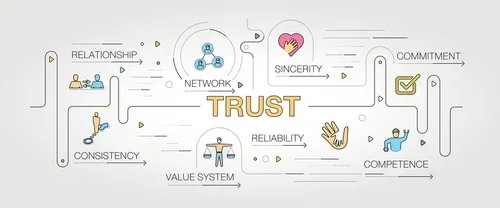
The Charity Commission has just published the latest report in their series of independent studies exploring what aspects of public trust and confidence in charities. It makes interesting reading, not so much for what it says about levels of trust, but for its conclusions about the factors affecting public trust. There is a welcome emphasis on demonstrating impact but a worrying focus on showing that most of the money donated goes directly to the end cause, perpetuating the myth that charities can deliver high quality, safe and effective services on very thin (or even non-existent) overheads.

Why we love small charities.
Most of our clients are small to medium-sized charities and we love working with them. They deliver huge benefits with very limited resources and we salute them for that. It’s not just saying this. The Lloyds Bank Foundation for England and Wales has recently published independent evidence of the disproportionate value that small charities bring to society. The research, called The Value of Small, shows what many of us have known instinctively for years and we wanted to share it to help celebrate the amazing work that our clients and thousands of other smaller charities do every single day. Thank you to every one of you!

Is earned income the way forward for your charity?
With rapid growth over the last 20 years in "earned income" as a source of funding, most charities should be thinking about growing earned income as an option to diversify their funding. But what is earned income? Is it really sustainable? Should your charity be looking to increase earned income? This blog briefly surveys some of the key issues for charities to explore when considering earned income ideas.

Trustee duties: what risks are you running?
Being a charity trustee is a serious role, with important responsibilities. It should not be entered into lightly, nor is it something to be scared of. If trustees act in good faith and do everything reasonable to comply with their legal duties, the risks are low. But they do need to understand those duties. In some cases, trustees should consider changing the structure of their charity to reduce exposure to personal liabilities. This blog provides a high level overview of these issues to prompt trustees to think further about the risks they may be running.

Why charities should consider merging
Forced mergers in the charity sector rarely end well. People can quickly get disillusioned and the benefits intended form the merger can evaporate quickly. But there are considerable advantages to mergers if they are done well on the basis of mutual trust and shared objectives. This post briefly explores why charities should consider merging.

Why it's important to assess impact
Over the last decade charities have seen a dramatic increase in competition for funding and supporters. They need to make the case for funding and support more effectively, including by presenting evidence of the difference their services make. Just focussing on the needs they are addressing or the number of people they help isn’t sustainable in a world where public trust and confidence in charities is declining. This article makes the case that now is the time for charities to up their game on impact assessment

Trustee disqualification rules are changing
From 1st August 2018, the rules on disqualification of charity trustees in England and Wales are changing. There will be more automatic disqualifications and the rules will be extended to certain senior managers in charities. All charities need to update their trustee appointment processes, introduce similar checks and declarations for relevant senior managers/staff and make sure that existing trustees and relevant senior managers will not be disqualified after 1 August 2018.

New Directions in Fundraising
With numerous scandals and bad publicity around charities and fundraising in the media over the last few years, the sector needs to change the way it thinks about supporters, offer more in return for their support and try new ways of engaging and motivating supporters, including thinking beyond money.
GDPR: Don’t Panic!
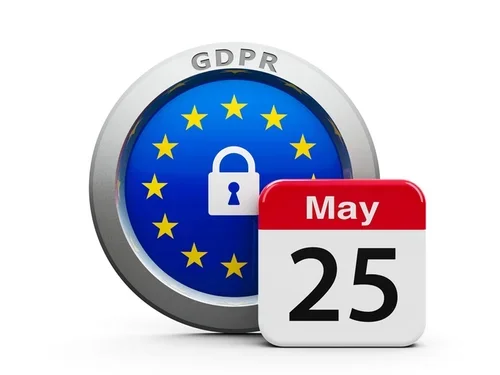
GDPR comes into force on 25th May 2018 and has significant implications for how organisations use personal data and how they keep it secure. I keep hearing (usually from those who only started preparing close to the implementation date) that it is a “nightmare” and I’ve seen lots of inaccurate information in the media. but my key message is: DON’T PANIC!

Diversifying your charity’s income
Before the 2008 financial crisis public sector funding for the third sector (grants and contracts) had become so prevalent that many charities and social enterprises had, frankly, become overly reliant on funding from local and central government. It’s not surprising that a large number of charities and social enterprises I have worked with want to develop income diversification strategies. This article reflects briefly on a few of the common issues I have encountered.

Business planning: document or process?
For many organisations business planning is a dull chore undertaken because some management consultant said that you should have one (we have a lot to answer for!). However, the point of having a business plan is often to ensure shared understanding and buy-in. This makes the process of preparing a business plan far more important than producing a pretty, glossy document at the end of that process.